

Where science meets everyday wellness—expert analysis and actionable guidance to help you age smarter and stronger.
The Healthspan Report
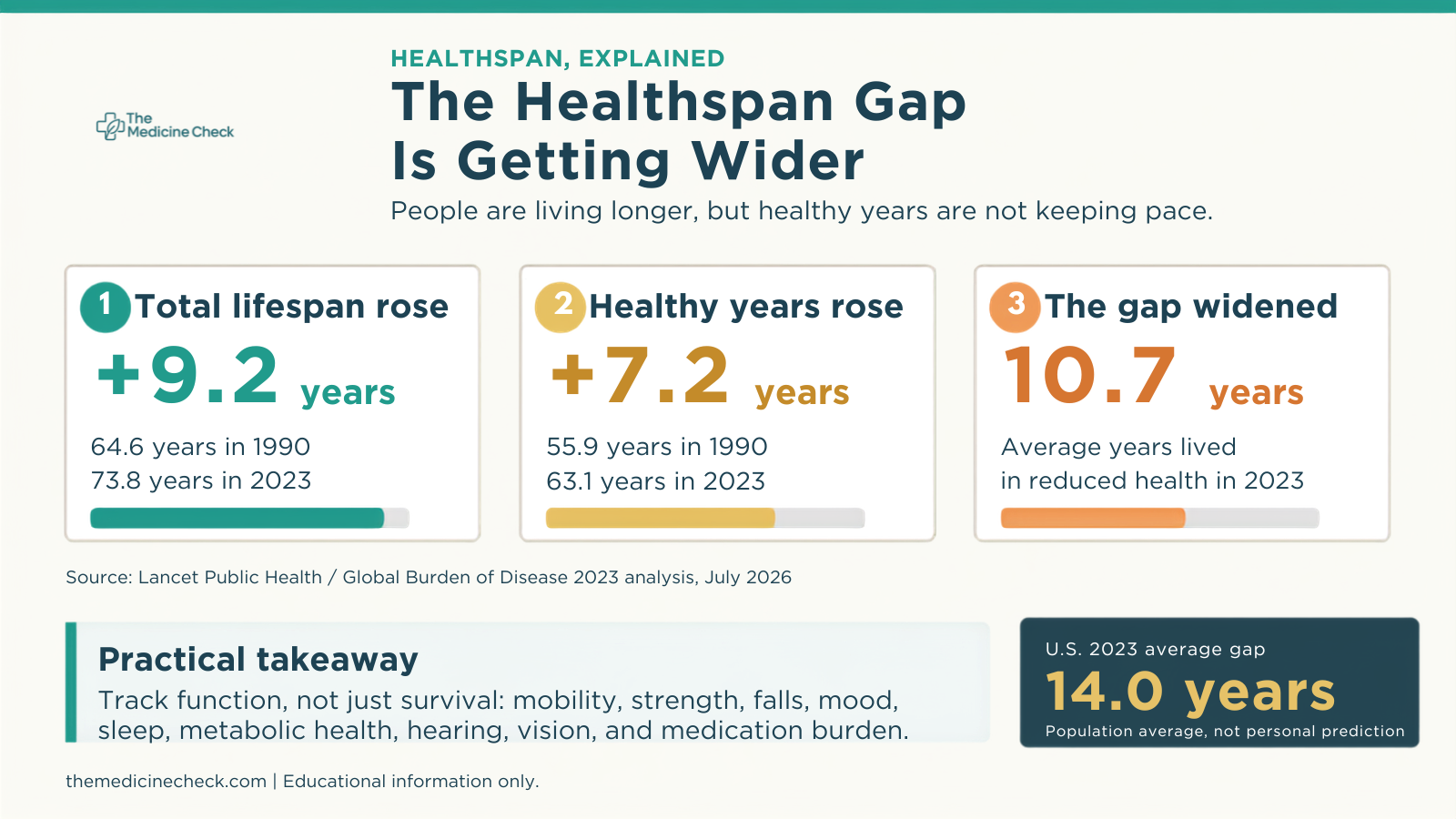
The Healthspan Gap Is Getting Wider. Here Is What That Should Change.
A new analysis of 1990-2023 global health data suggests the years lived in poor health are growing faster than many people realize. This post explains what the healthspan gap means and why routine prevention, mobility, metabolic health, mental health, hearing, vision, and fall-risk checks matter.
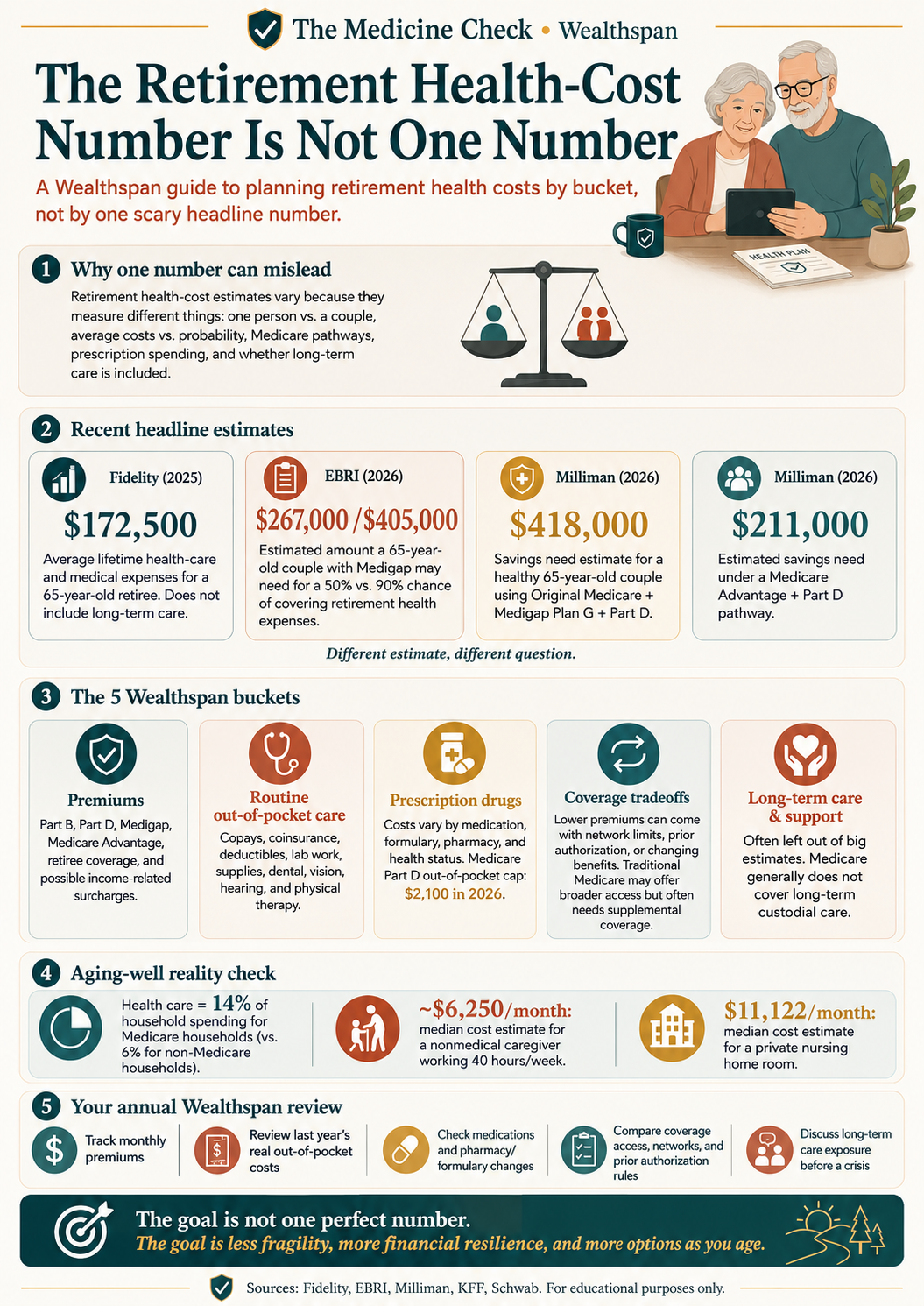
The Retirement Health-Cost Is Not One Number
Retirement health-care costs are real, but one big estimate can hide the planning details that matter most. Here is how to think about the buckets that shape Wealthspan.
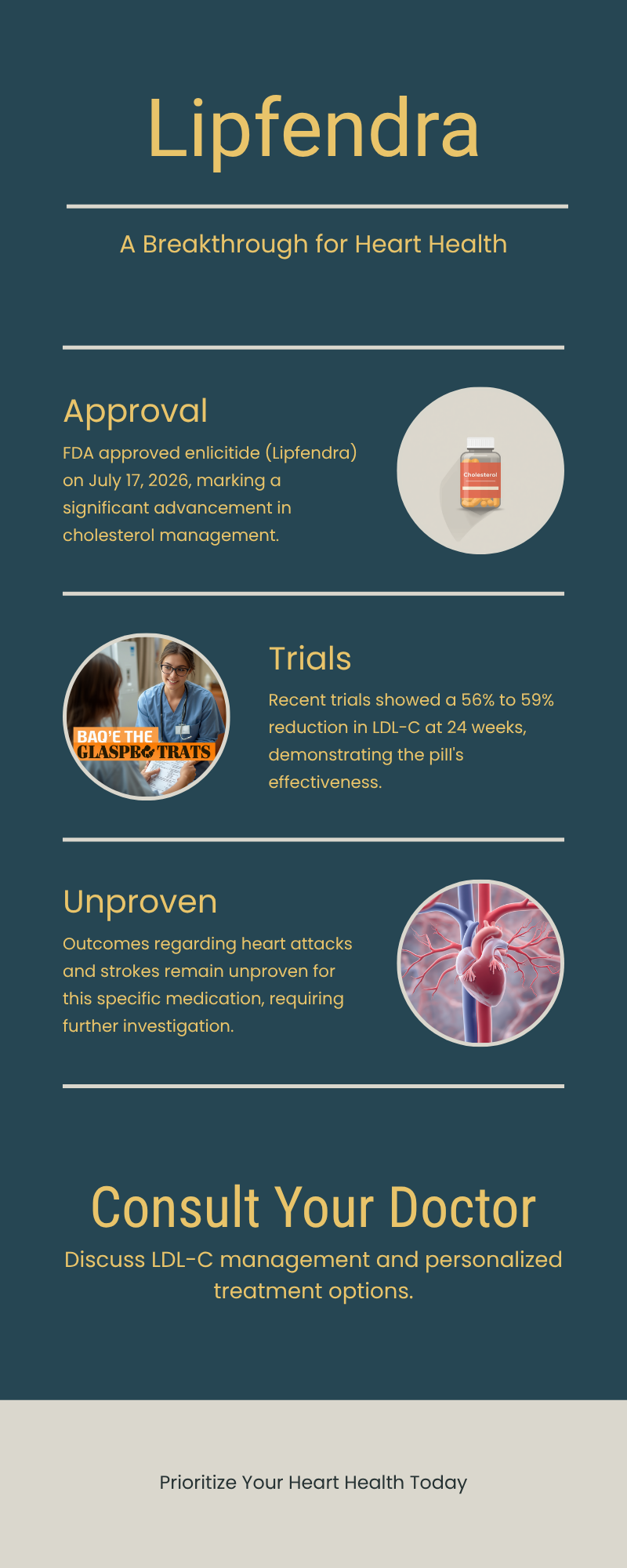
A New Cholesterol Pill Is a Healthspan Prevention Story
A new once-daily PCSK9 pill may make intensive LDL lowering easier for some adults. The healthspan takeaway is promising but specific: strong LDL reduction data, not yet direct proof of fewer heart attacks or strokes for this pill.
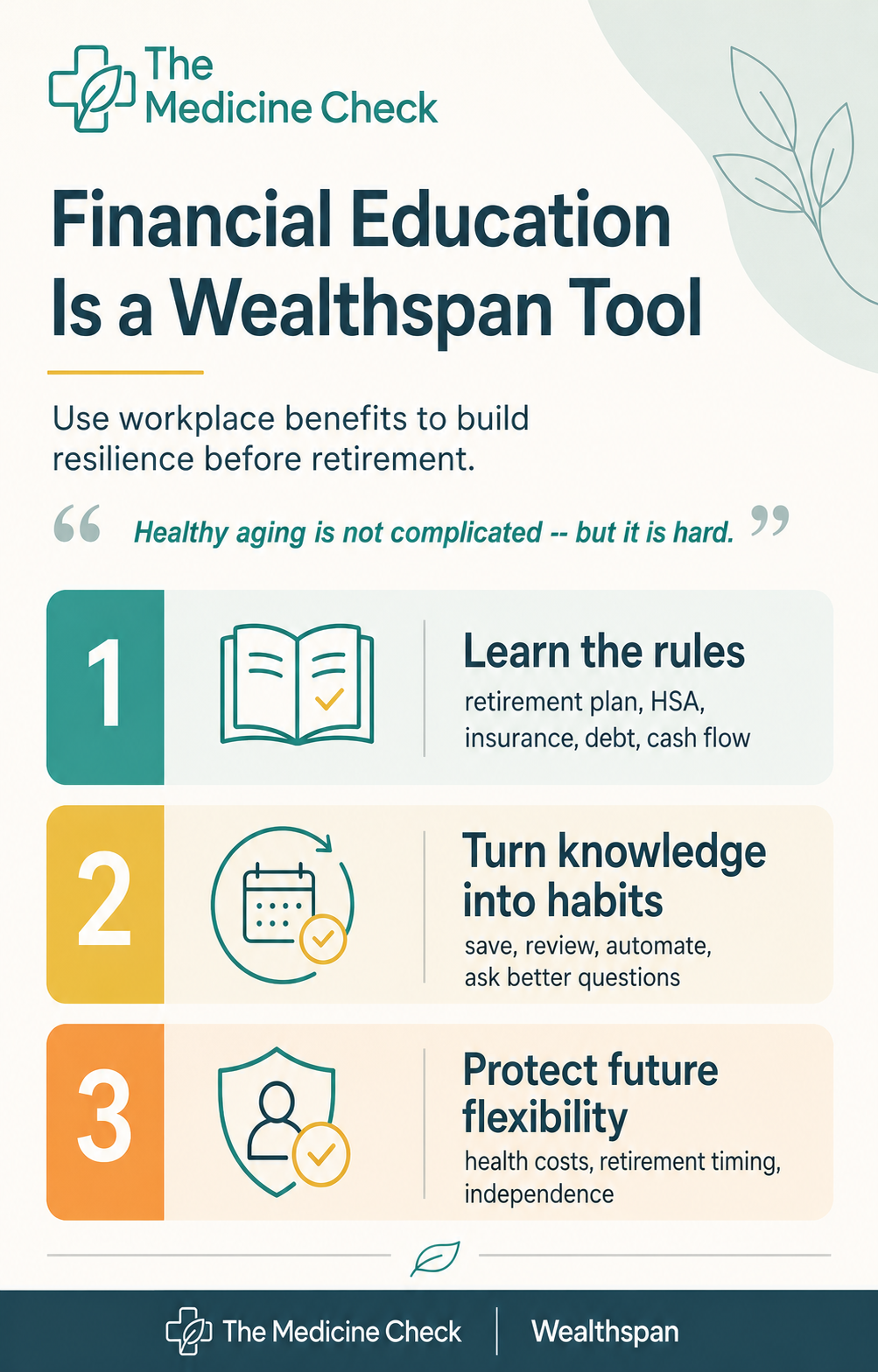
Financial Education Is a Wealthspan Tool
Workplace financial education is not a magic fix, but new EBRI research suggests it may help workers build the knowledge and habits that support long-term resilience.
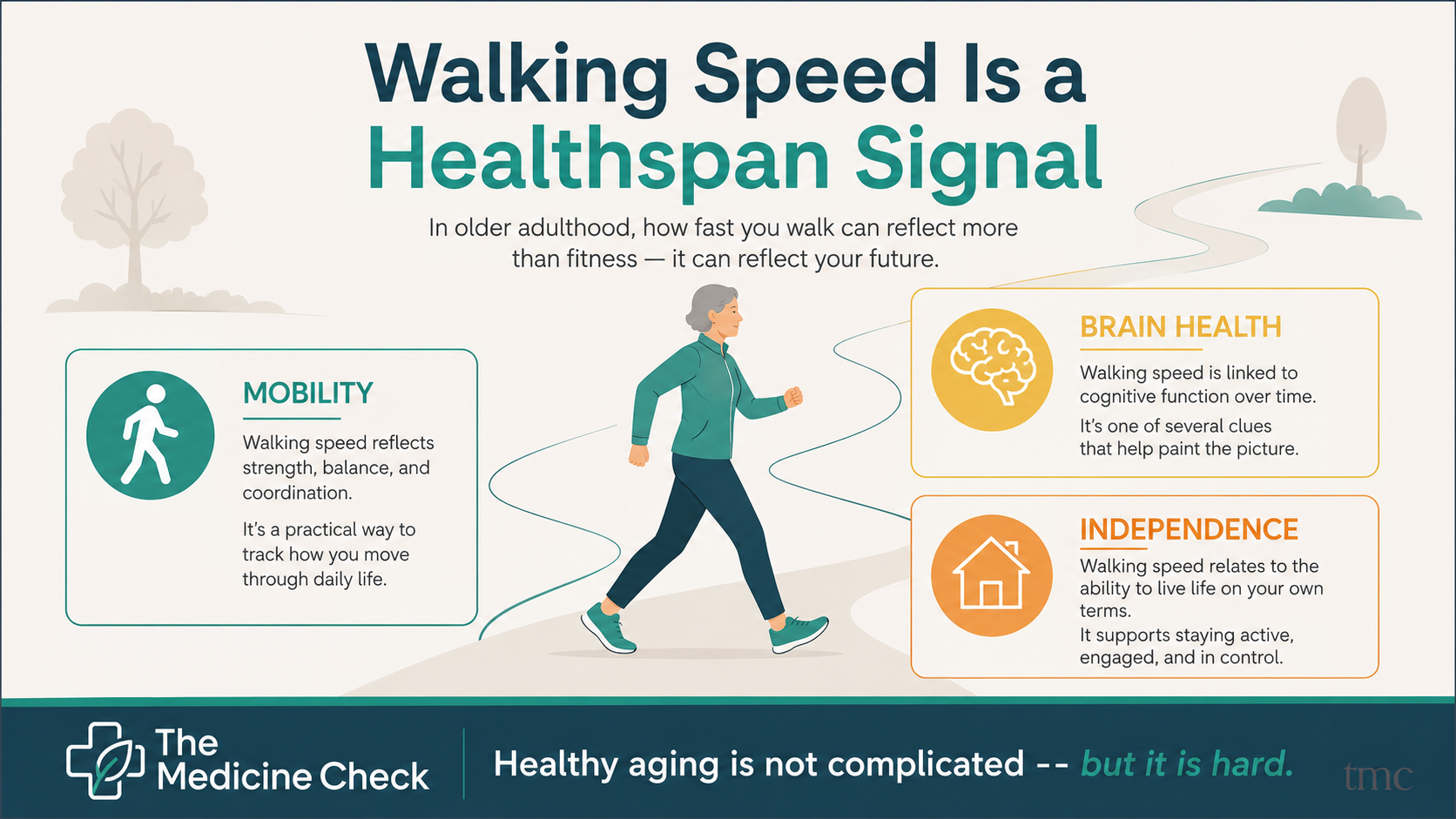
Walking Speed Is a Healthspan Signal, Not Just a Fitness Stat
Walking speed may be one of the simplest healthspan signals we have. New research on adults 80 and older suggests that "super movers" tend to show better cognitive aging, but the finding should be read as a clue, not a guarantee.
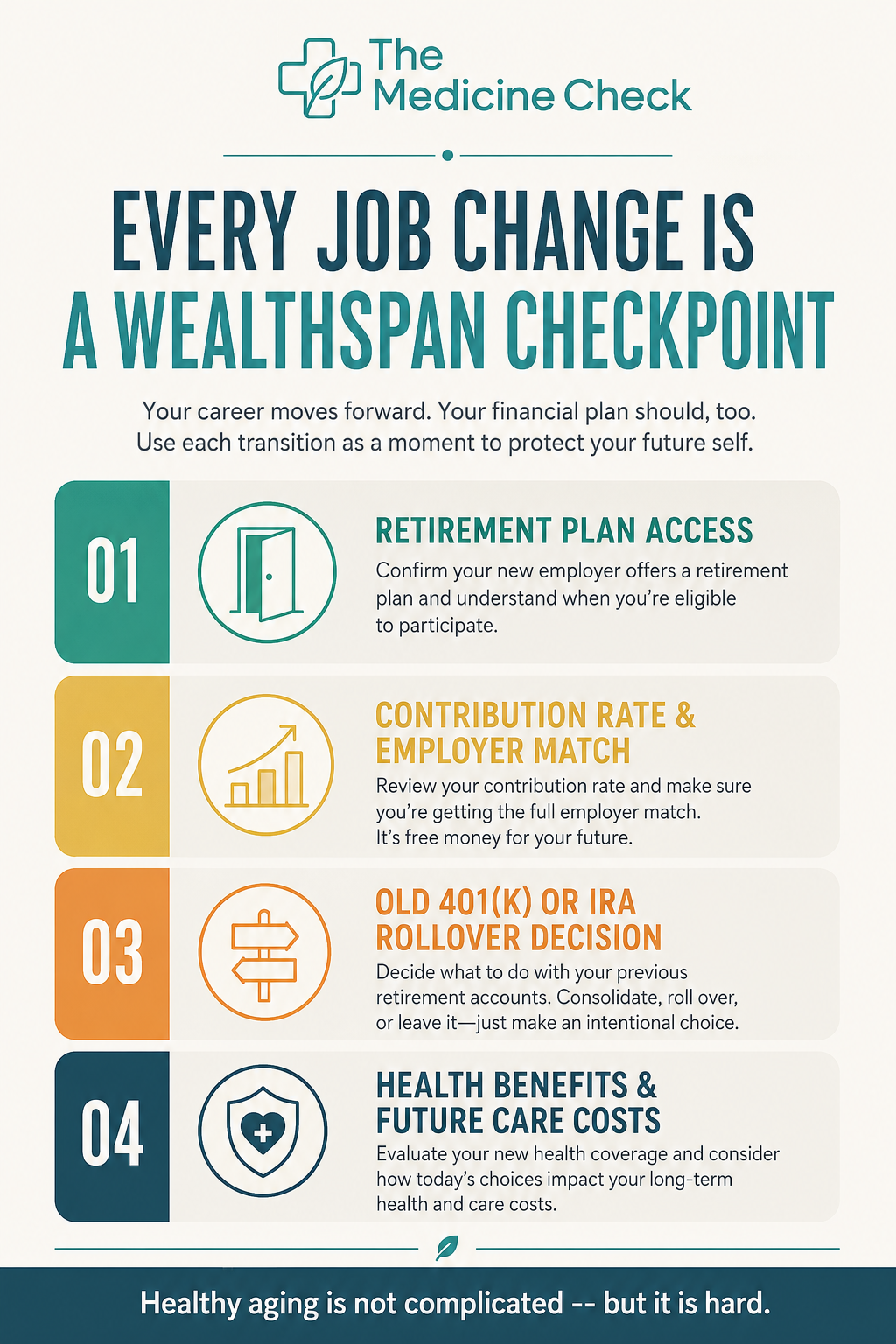
Every Job Change Is a Wealthspan Check-in
A job change is more than a career move. It can affect retirement-plan access, old accounts, contribution rates, healthcare benefits, and the financial flexibility that supports healthy aging.
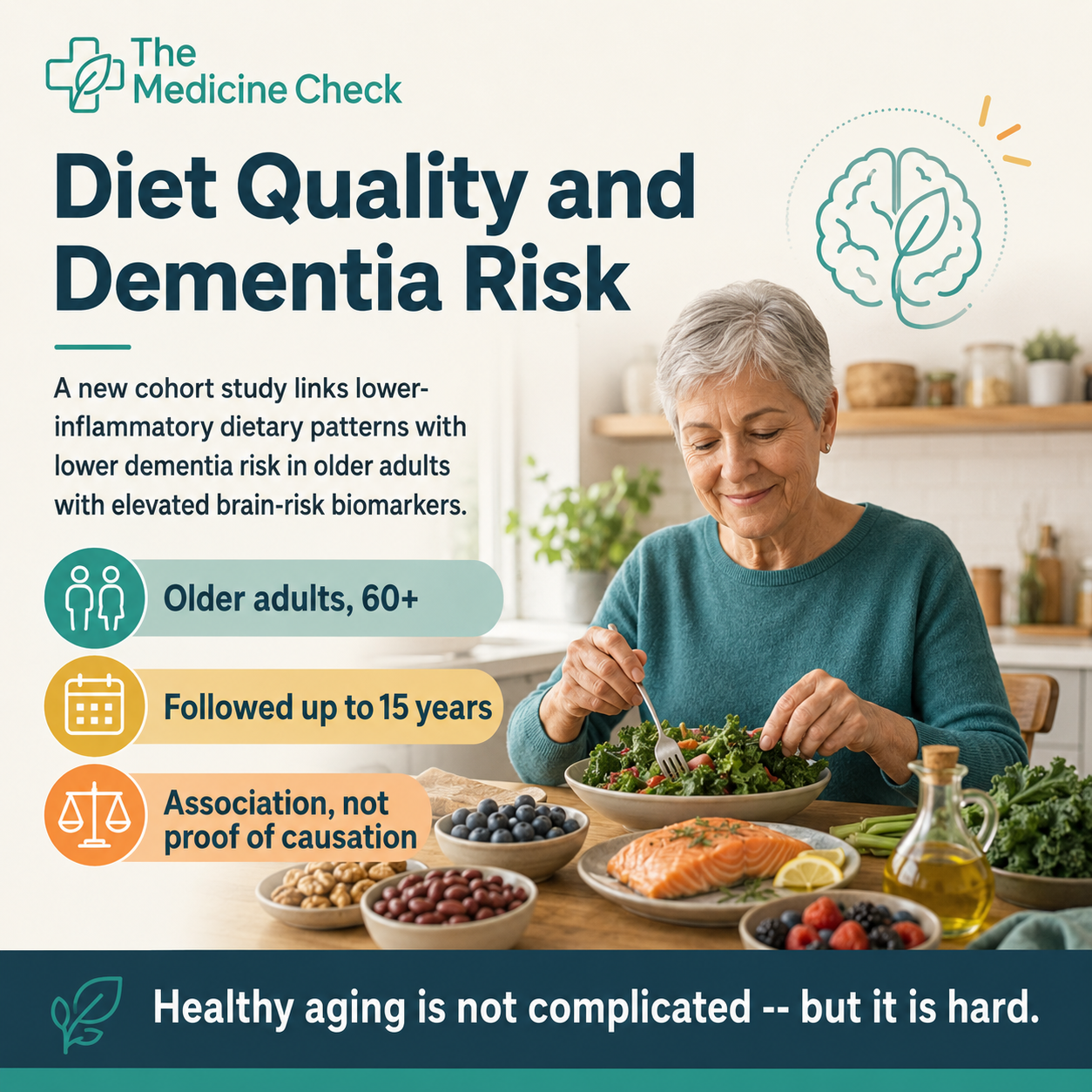
A Brain-Healthy Diet May Still Matter After Risk Markers Appear
New evidence suggests that a lower-inflammatory, higher-quality diet may be associated with lower dementia risk even after biological risk markers are present. The finding is useful, but it should be read as observational evidence, not a guarantee.
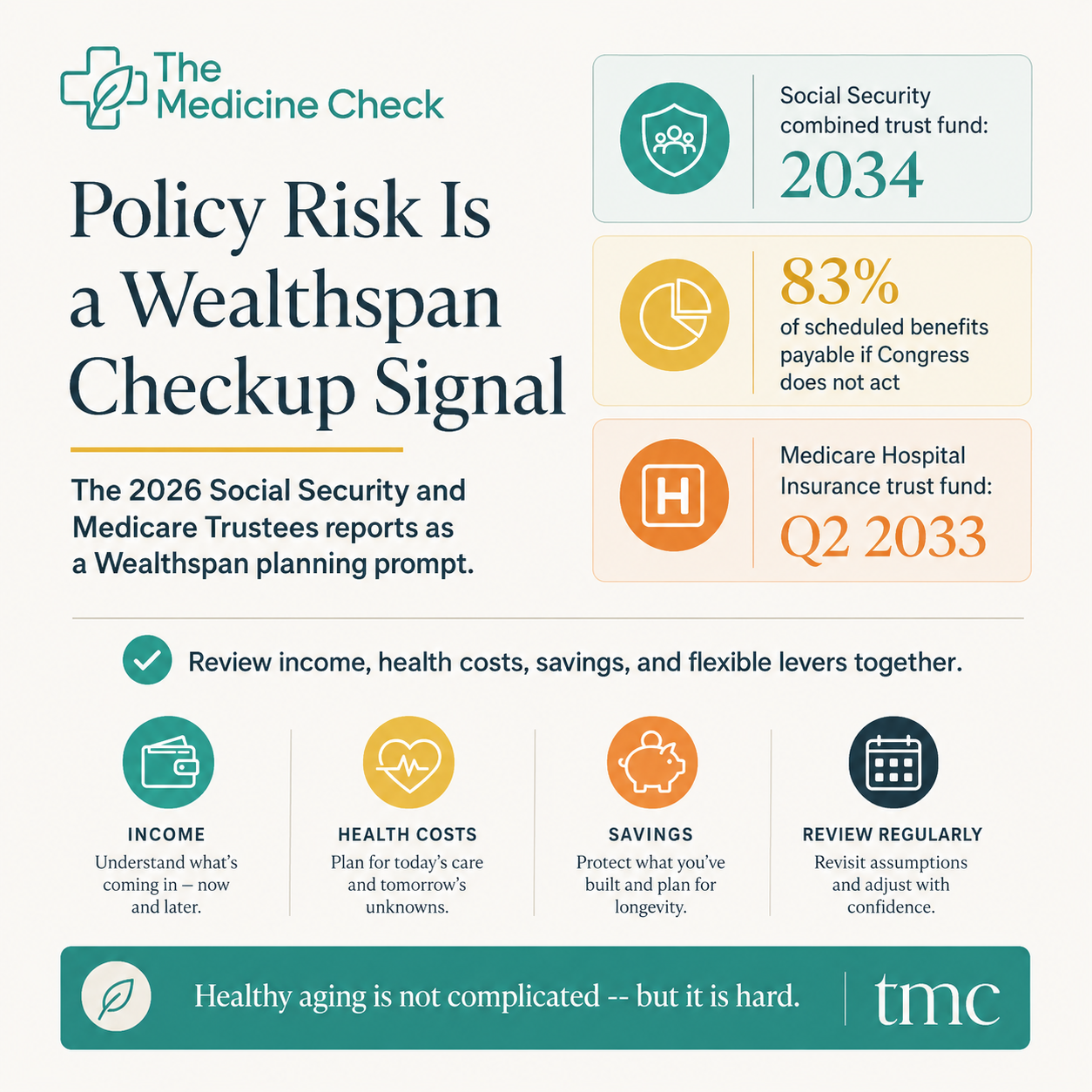
Policy Risk Is a Wealthspan Checkup Signal
Social Security and Medicare are not disappearing, but the 2026 Trustees reports show why retirement plans should include policy risk, health-care costs, and flexible savings levers
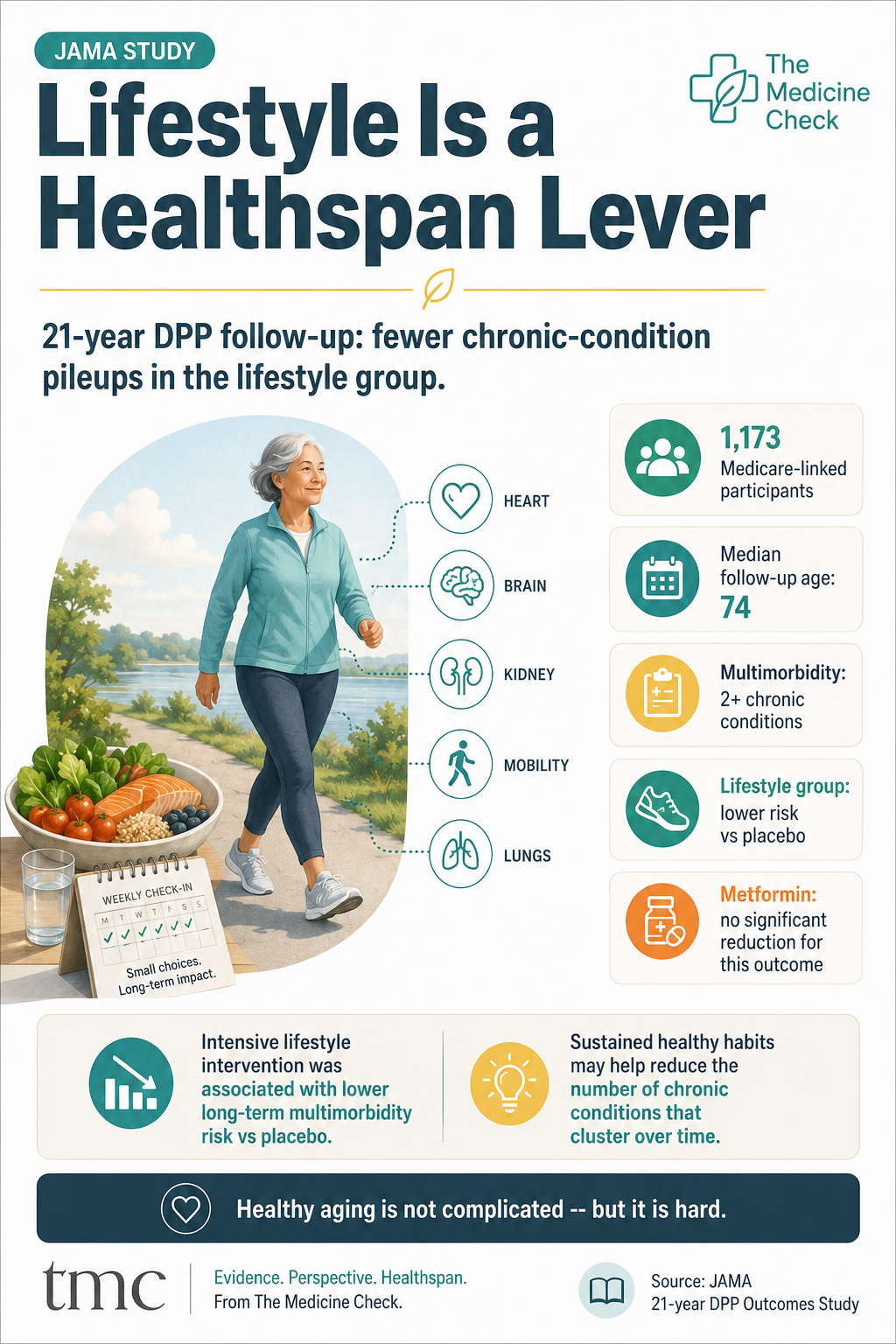
Lifestyle Is a Healthspan Lever
A 21-year follow-up of the Diabetes Prevention Program offers a practical healthspan lesson: the goal is not only delaying diabetes, but reducing the long-term pileup of chronic conditions that can limit independence.
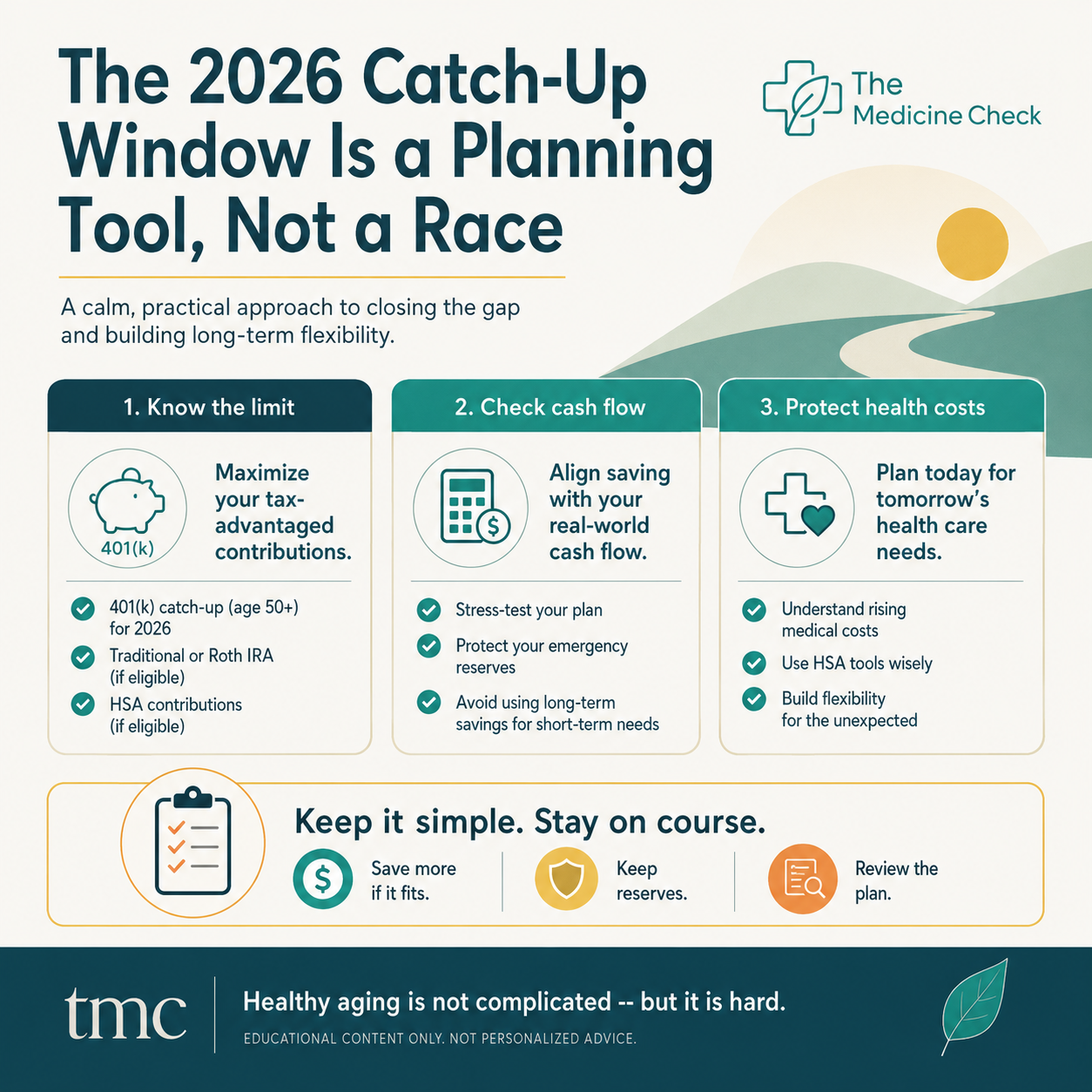
The 2026 Catch-Up Contribution Window Is a Planning Tool, Not a Race
The 2026 catch-up rules can help late-career savers, but the best Wealthspan plan balances contribution room with cash flow and healthcare-cost resilience.
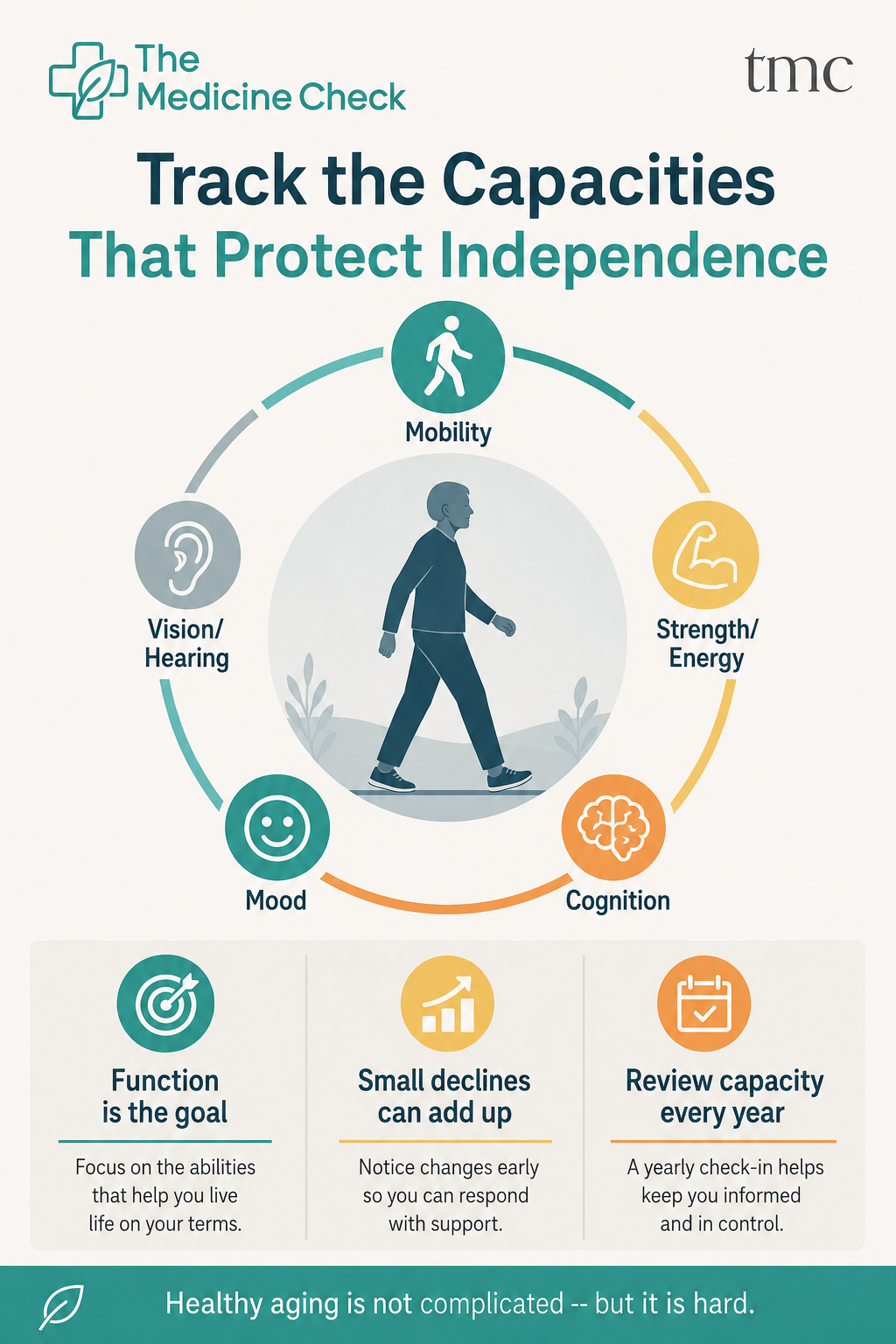
Measure What Keeps You Independent
Healthy aging is not just the absence of disease. New evidence points to intrinsic capacity: the combined physical and mental abilities that help people keep functioning independently.
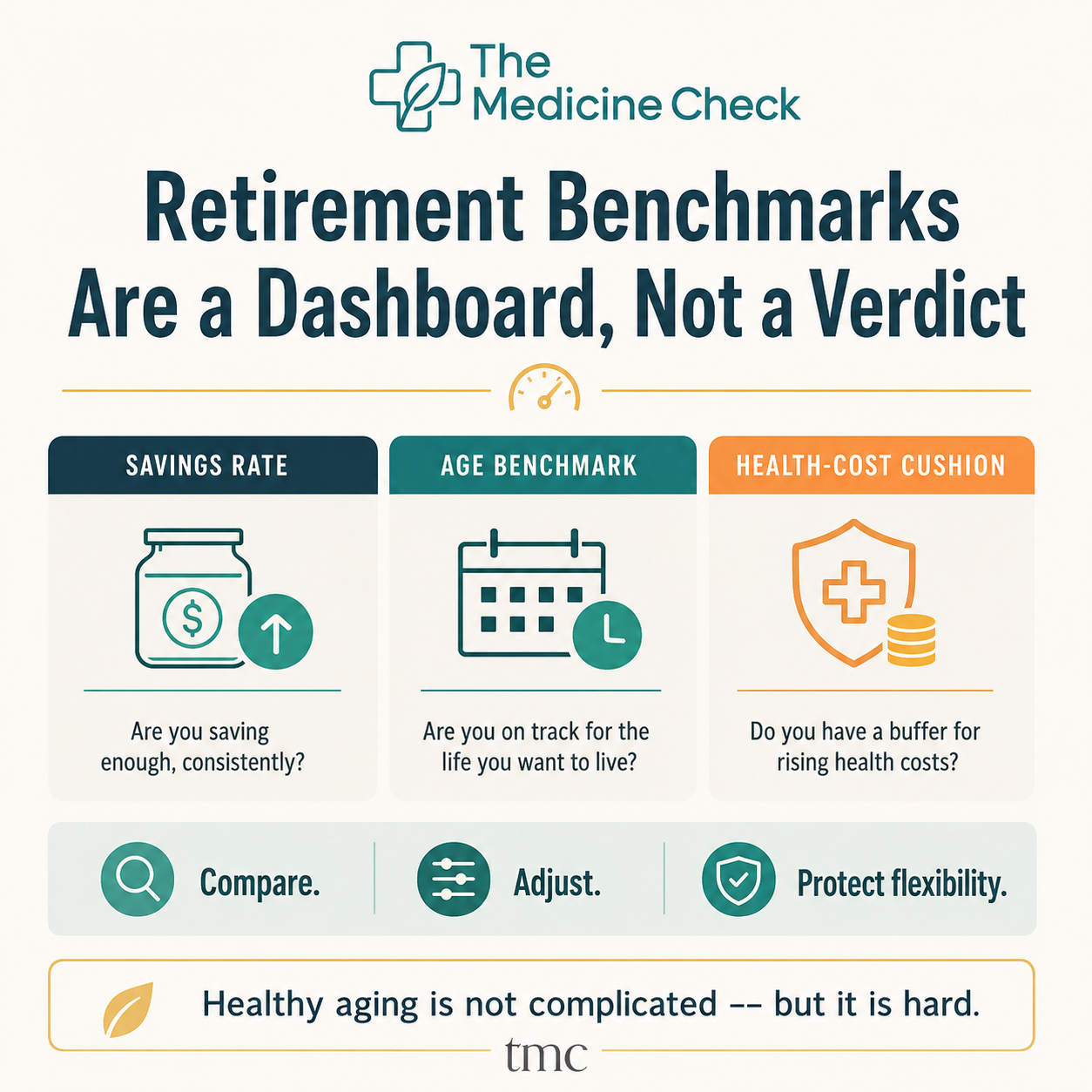
Retirement Savings Benchmarks Are a Dashboard, Not a Verdict
New Fidelity retirement data show why account balances, savings rates, age benchmarks, and health-cost planning should be read together.
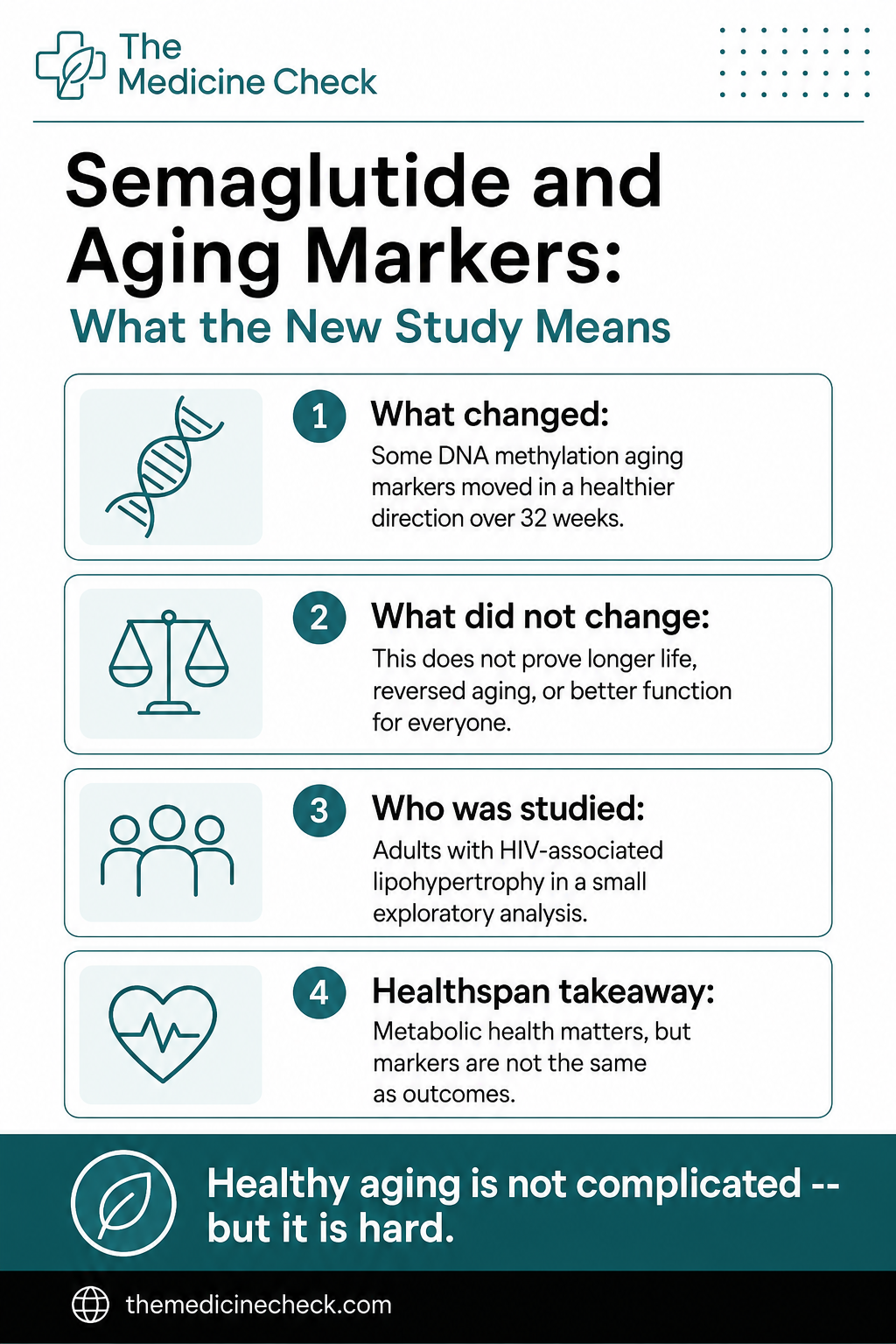
Semaglutide and Aging Markers: What the New Study Really Shows
A new semaglutide study is being framed as an anti-aging breakthrough. The evidence is more interesting, and more limited, than that.
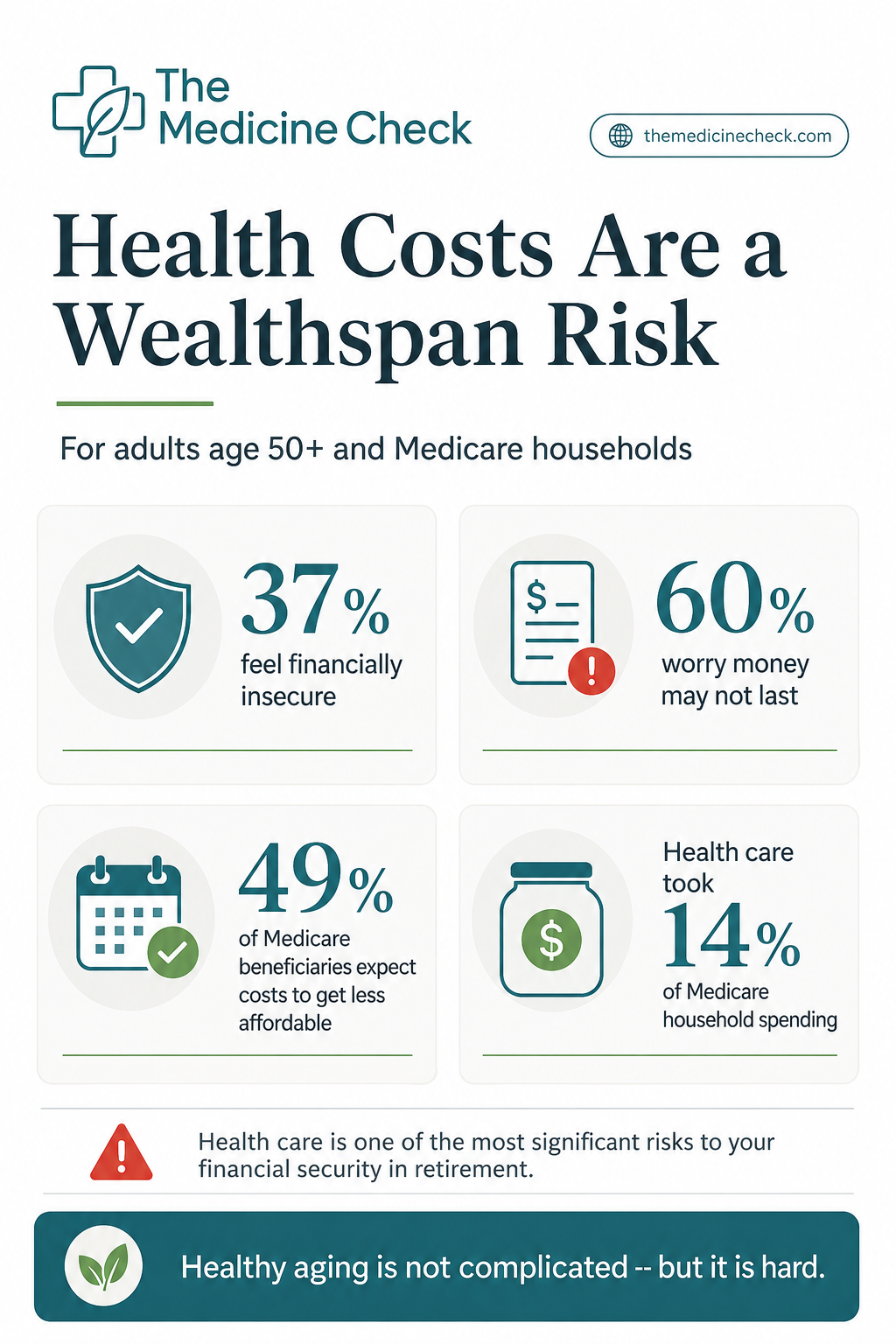
Health Costs Are Becoming a Wealthspan Risk
Health costs are not only a medical issue. New data show why they belong in every serious Wealthspan plan.
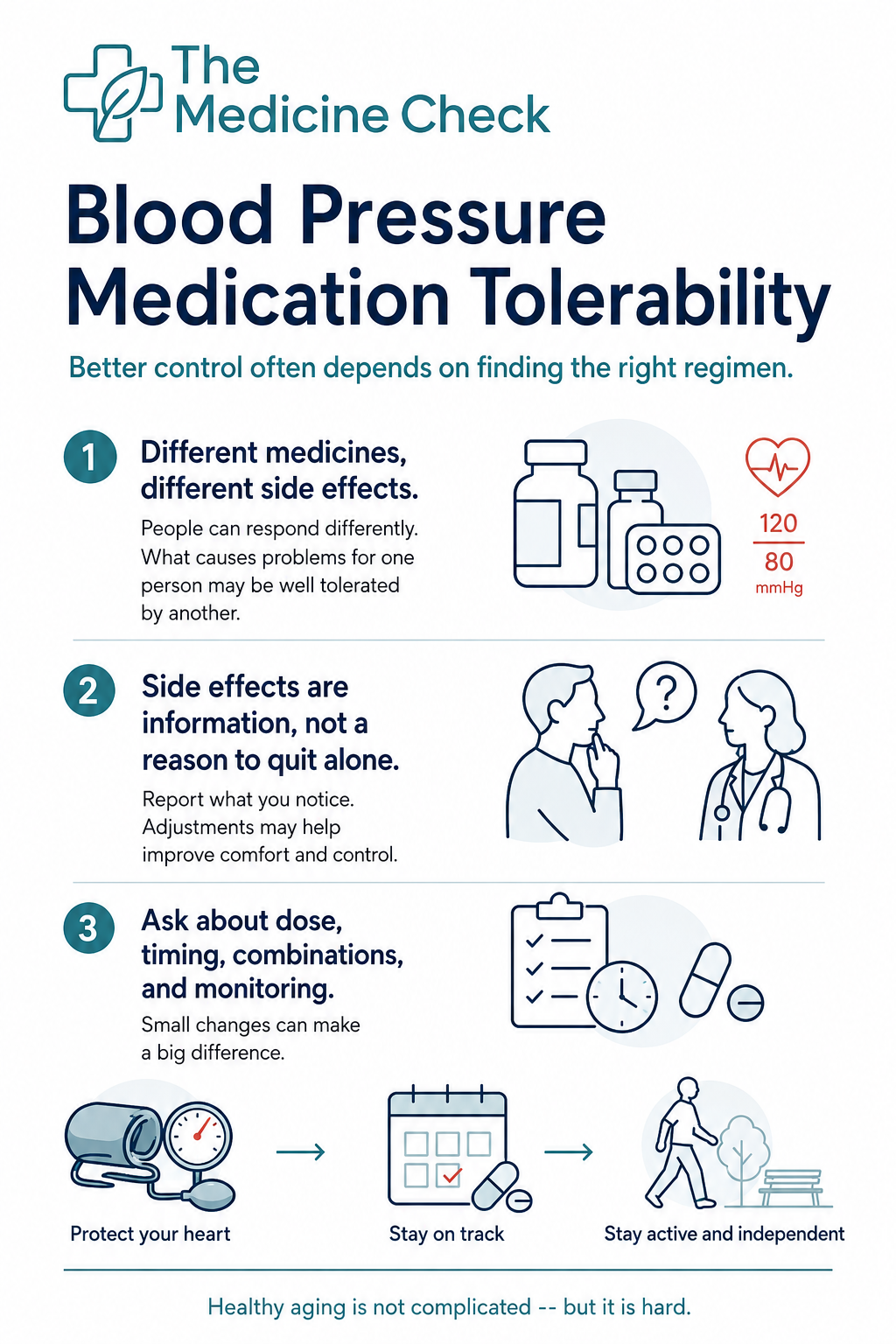
Blood Pressure Medication Side Effects Are Not All the Same
Blood pressure treatment can reduce long-term risk, but side effects affect whether people stay on therapy. New evidence shows tolerability differs across medication classes and combinations.
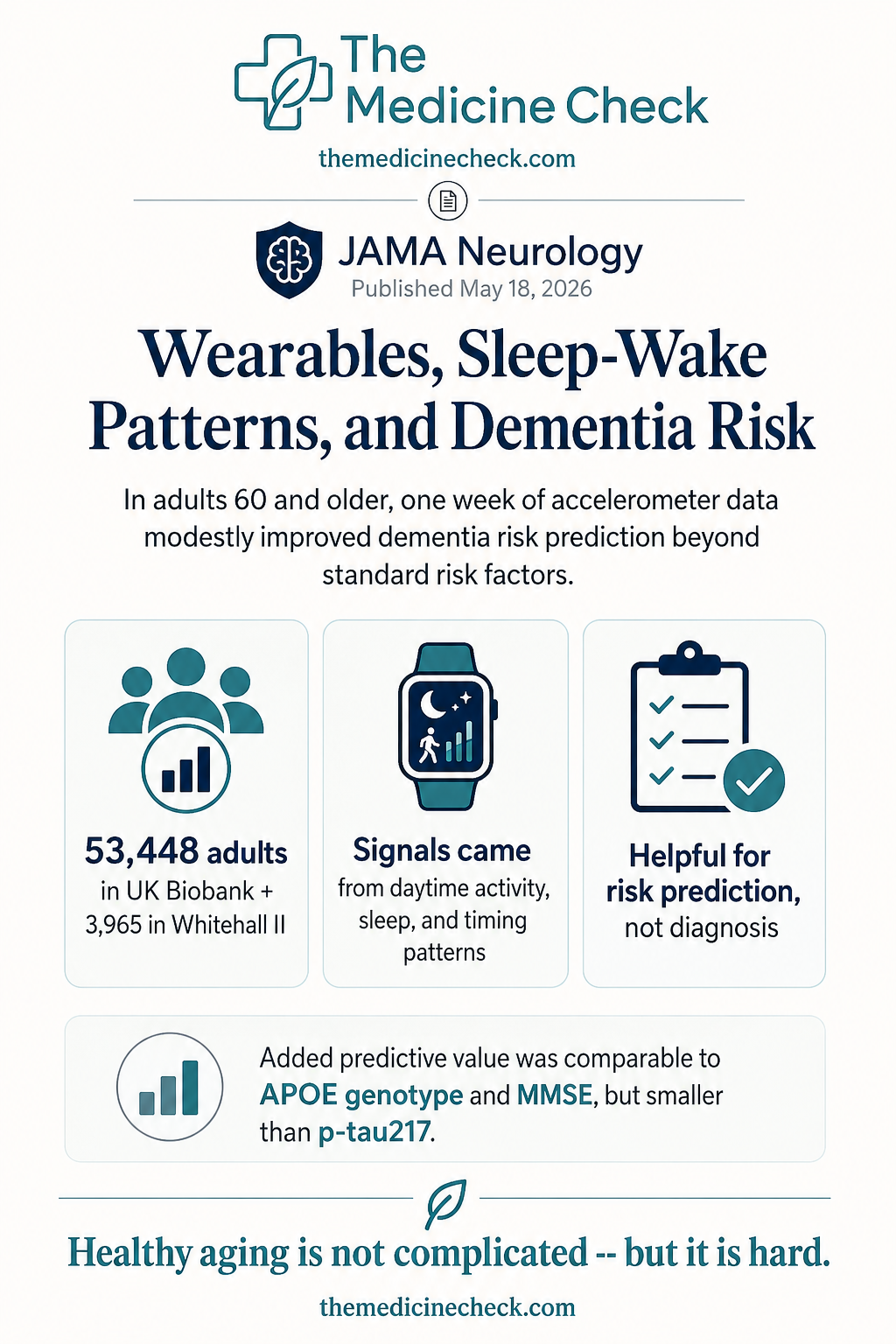
Your Wearable Might Catch Dementia Risk Clues Earlier Than You Think
One week of wearable sleep-wake data modestly improved dementia risk prediction in adults 60 and older. The finding is promising for healthy aging, but it is about risk signals, not diagnosis.
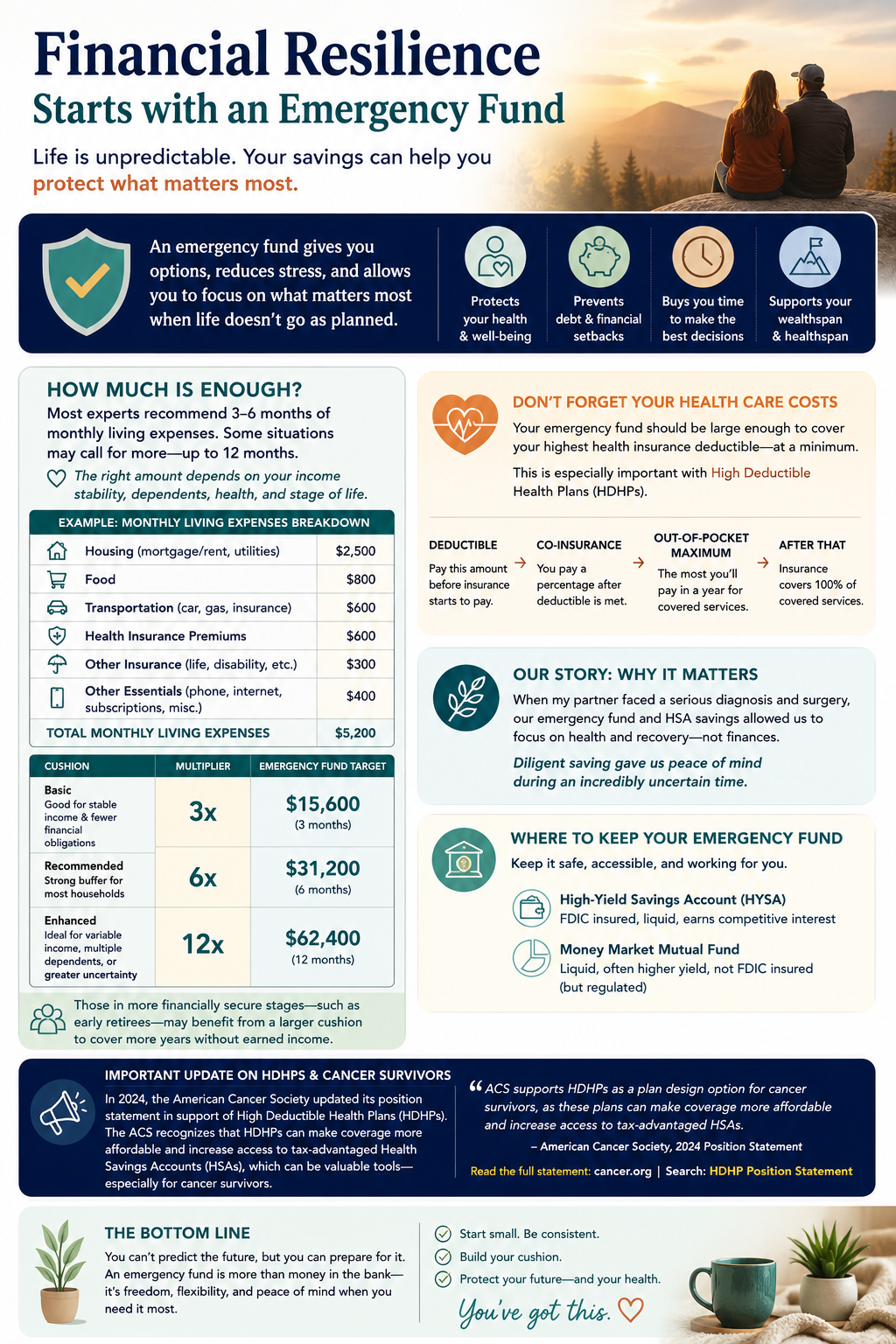
Emergency Funds: How Much Is Enough? Do You Always Need to Rebuild It Immediately?
Emergency funds are often discussed as simple financial tools: save three to six months of expenses, use it only for emergencies, and rebuild it immediately if you ever need to tap into it.
But real life is often more nuanced.
After my partner’s recent diagnosis and surgery, we used both our emergency fund and our HSA exactly as intended. What surprised me most wasn’t using the savings—it was how differently I thought about rebuilding them afterward.
This experience changed the way I think about financial security, flexibility, and the relationship between wealthspan and healthspan. Because emergency funds don’t just protect your finances. They can also protect your peace of mind, your relationships, and your ability to focus on what matters most during uncertain seasons of life.
Sometimes the greatest value of an emergency fund isn’t what it earns—but the flexibility and perspective it provides when life becomes unpredictable.
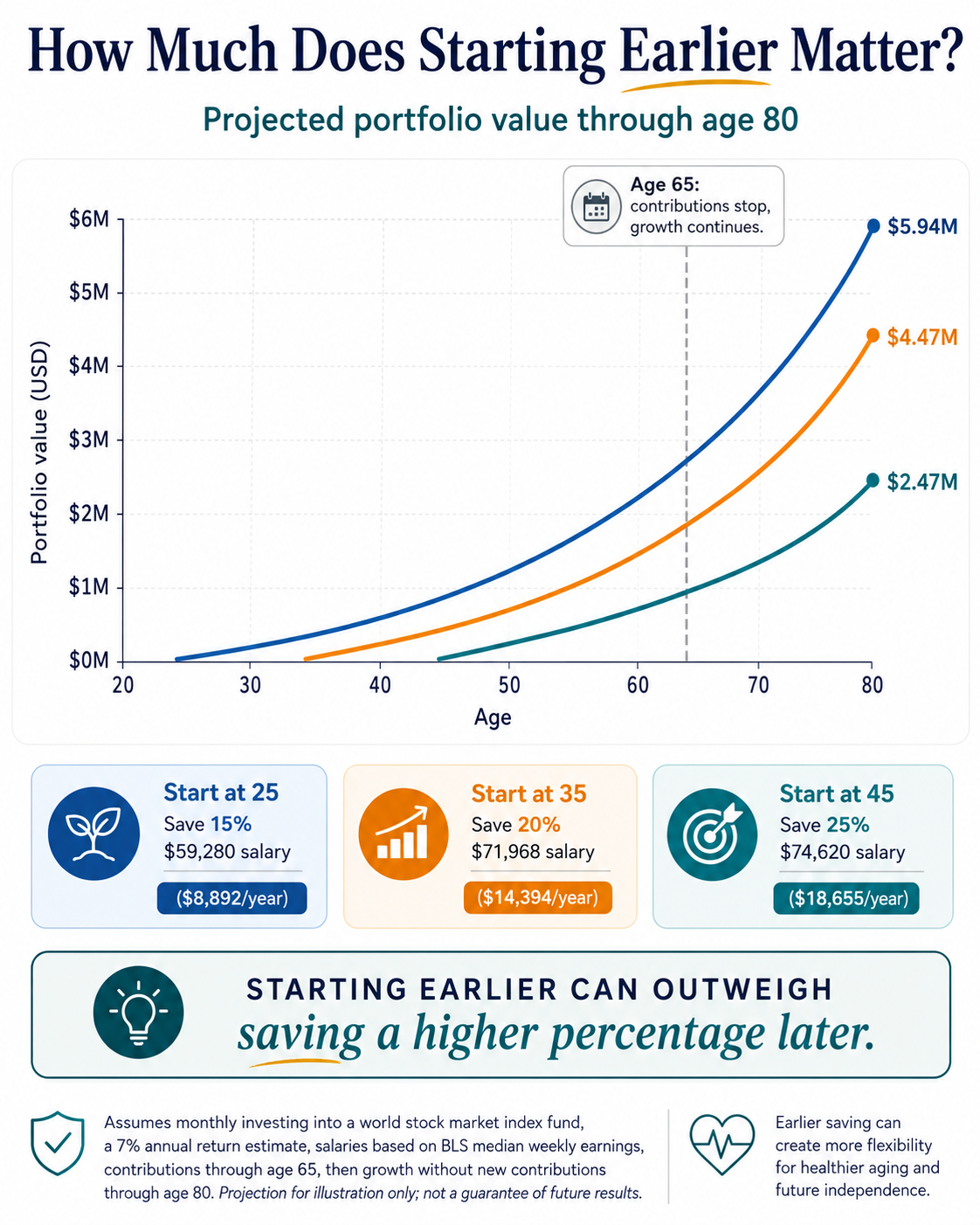
How Much Should You Really Be Saving for Retirement?
How much should you really be saving for retirement?
The common advice is to save 15% of your income, but the right number depends on when you start, how long you invest, and the kind of life you want to build. Using median U.S. salary data and a projected world stock market return, this post compares three savers who start in their 20s, 30s, and 40s.
The takeaway is clear: starting earlier can outweigh saving a higher percentage later.
But retirement planning isn’t only about maximizing your account balance. It’s about building both your wealthspan and your healthspan—so your money supports the life you want now and in the future.

Pay Yourself First. But Don’t Forget to Live
“Pay yourself first” is one of the most trusted principles in personal finance—but what happens when saving for the future starts to crowd out living today?
After my partner’s recent diagnosis, I found myself rethinking that balance. While we continue to invest for the future, we’re also making intentional space for the experiences and moments that matter now.
This is a reflection on financial discipline, perspective, and the importance of building a life you’re already living—not just one you’re planning for.

The Financial Side of Illness Nobody Talks About
When illness happens, the financial impact often begins before the first bill arrives. From understanding insurance terms like deductibles and out-of-pocket maximums to navigating real-world costs and uncertainty, this experience highlights how preparation—and clarity—can make a meaningful difference when it matters most.