

Where science meets everyday wellness—expert analysis and actionable guidance to help you age smarter and stronger.
The Healthspan Report
Clarity Before Change: A Calm Financial Start to the New Year
The new year often pushes us toward quick financial fixes—but lasting wealth doesn’t start with action. It starts with understanding. Before setting goals, cutting spending, or changing investments, taking time to gain clarity around your financial picture creates calmer decisions, less stress, and better long-term outcomes. January is the ideal moment to pause, observe, and build awareness—because sustainable change begins with clarity.
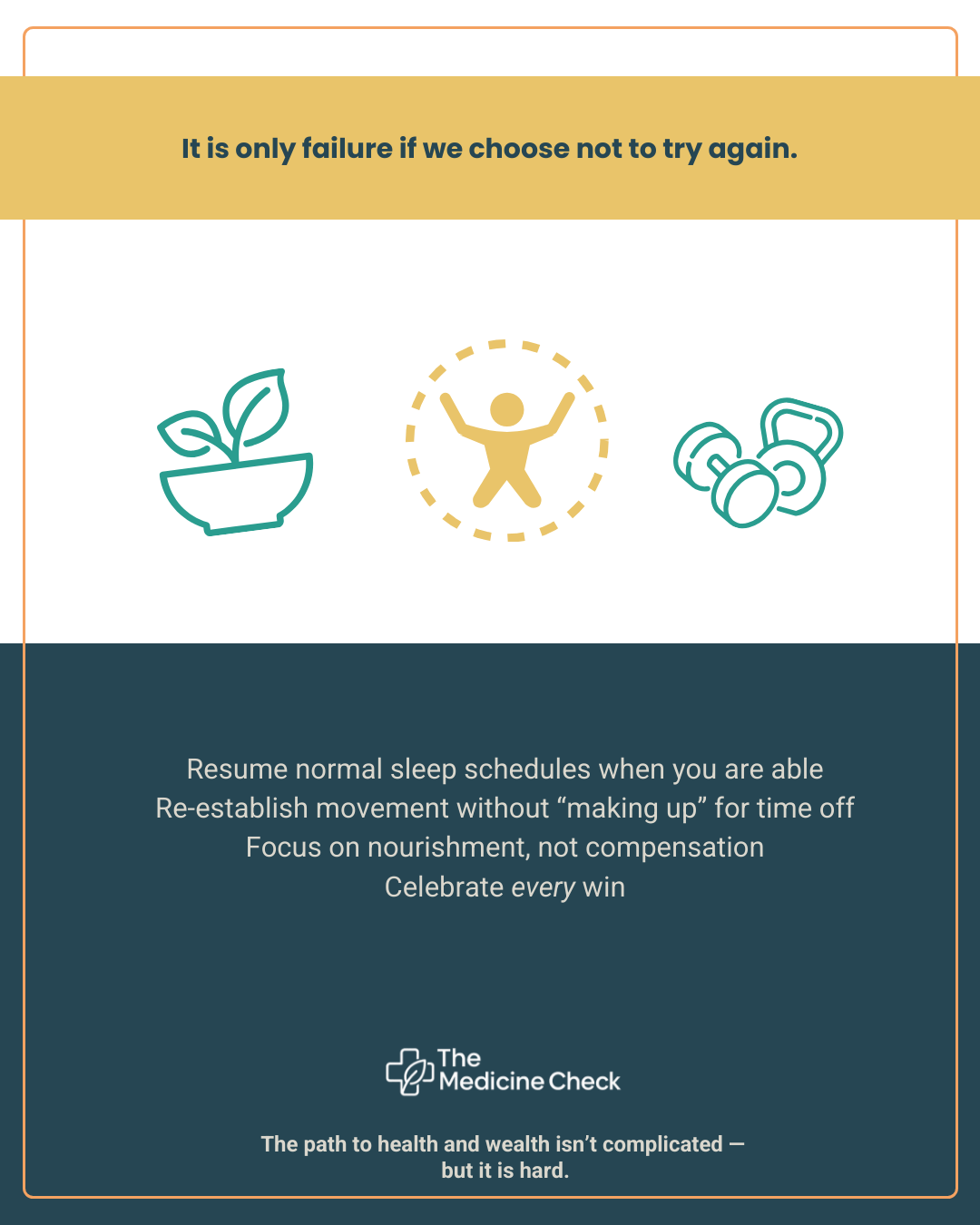
Resetting Healthspan Without Starting Over
January doesn’t require a fresh start. Healthspan isn’t built by starting over—it’s built by returning to simple, supportive routines without urgency or guilt. Re-anchoring sleep, movement, nutrition, and recovery is what protects long-term health and resilience.
Stress, Cortisol, and Aging: How Chronic Stress Accelerates Aging — and What You Can Do About It
Stress doesn’t just affect your mood — it shapes how your body ages. When cortisol rises and falls the way it’s supposed to, it protects you. But when stress becomes constant, cortisol becomes dysregulated, inflammation rises, and biological aging speeds up. This week, we break down the science in simple terms and share easy, realistic habits that help restore healthy stress rhythms and support your long-term healthspan.

The Power of Social Connection in Healthy Aging
Social connection isn’t just a feel-good bonus—it’s a vital ingredient for healthy aging. From boosting brain function to protecting emotional health, meaningful relationships and daily routines play a powerful role in extending healthspan. In this post, we explore practical ways to stay engaged, introduce Social Rhythm Therapy as a tool for stability, and help develop a personal rhythm tracker to help you build connection into your everyday life.

Keep Your Mind Sharp with Mental Stimulation
Keep your mind sharp with mental stimulation. Discover how puzzles, creative hobbies, language learning, and digital brain-training apps boost neuroplasticity—and find practical tips for tailoring activities to every ability level.

Sleep and Mental Health: A Personal Approach to Restorative Rest
Sleep isn’t always easy—trust me, I’ve been there. As a geriatrician (and someone who’s struggled with restless nights), I’ve found a few simple tools that really help: a consistent nighttime routine, reframing anxious thoughts, and journaling to “wrap up” the day. These small practices have made a big difference in my own life—and they can support better sleep and mental well-being at any age.

Loneliness in Older Adults: How to Stay Social and Connected
Loneliness isn't just a passing emotion—it’s a major public health concern, especially for older adults. Research shows that social isolation can be as dangerous as smoking, increasing the risk of depression, heart disease, and dementia. But the good news is that meaningful connections can be cultivated at any age. Learn simple, effective ways to stay engaged, supported, and socially connected as you age.

Mindfulness for Seniors: Simple Practices for Daily Calm
Looking for simple ways to reduce stress and feel calmer each day? Mindfulness practices like Tai Chi, yoga, and meditation offer gentle yet powerful benefits for older adults. In this post, we’ll explore how these activities can improve balance, boost mood, and support brain health—plus easy ways to get started today.